
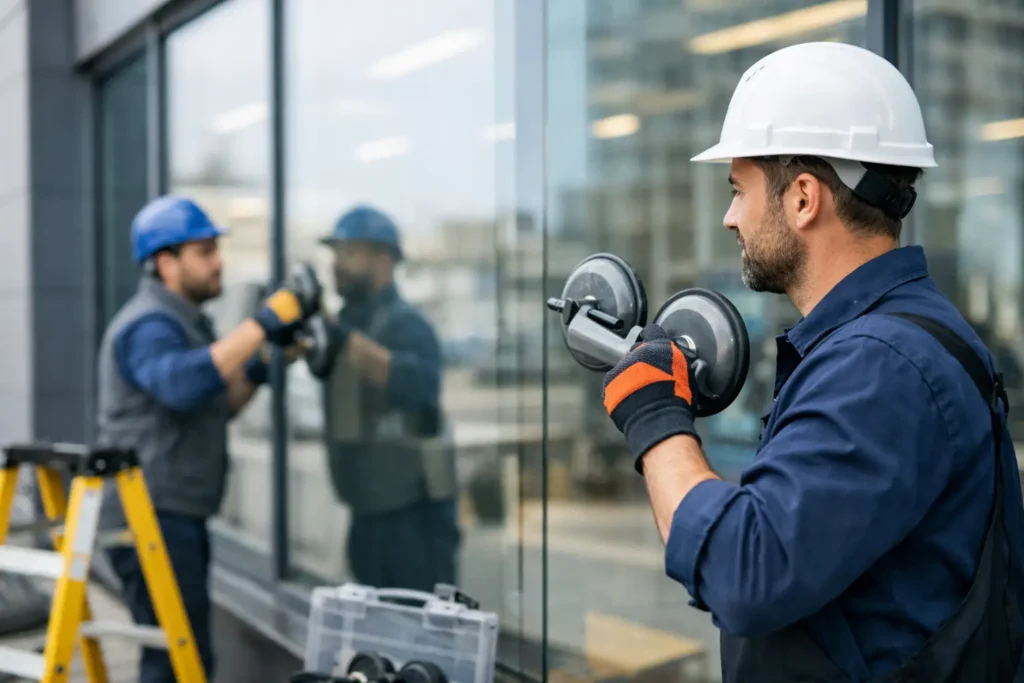
A cracked storefront panel changes the whole day fast. What starts as a cosmetic issue can become a safety problem, a security risk, and a reason customers hesitate at the door. This commercial glass replacement complete guide is built for property managers, retail owners, and business operators who need clear answers, realistic expectations, and work done right the first time.
When commercial glass replacement is the right call
Not every damaged pane needs full replacement, but many commercial jobs do. If the glass is shattered, compromised around the edges, fogged inside insulated units, or no longer fits current safety needs, replacement is usually the smarter long-term decision. Repairs can help with minor issues in some settings, but they do not fix failed seals, major impact damage, or outdated glass that no longer performs the way your building needs it to.
For storefronts and entry systems, the decision often comes down to safety and function. If a door does not close properly after impact, if tempered glass has broken, or if visibility is affected in a customer-facing area, waiting rarely helps. Delays can increase liability, hurt curb appeal, and leave the property more exposed after hours.
What types of commercial glass are commonly replaced
Commercial buildings use more than one kind of glass, and that matters because the replacement process depends on the application. Storefront systems often use tempered or laminated safety glass. Office partitions may use clear tempered panels. Upper-floor windows may use insulated glass units for energy efficiency, while some buildings require specialty glazing for fire ratings, noise control, or stronger security.
This is where a quick site assessment makes a real difference. The right replacement is not just about matching the size. It also means matching thickness, tint, safety code requirements, framing compatibility, and performance needs. A retail shop with street exposure has different demands than a private office, restaurant, or mixed-use building.
Storefront glass
Storefront glass takes the most visible wear. It deals with foot traffic, carts, weather exposure, accidental impact, and occasional vandalism. In these spaces, replacement needs to restore appearance and security at the same time.
Office and interior commercial glass
Interior commercial glass may look simpler, but it still needs exact fitting and safe installation. Conference rooms, partitions, doors, and sidelites all affect privacy, acoustics, and daily use.
Insulated and specialty glass
If your building has energy-efficient glazing or custom performance requirements, replacement may take longer because the glass often needs to be ordered to spec. That is normal. The key is knowing early whether the opening can be secured safely while the final unit is being fabricated.
Commercial glass replacement complete guide to the process
Most business owners want to know the same thing first: how fast can this be handled? The honest answer is that it depends on the type of glass, the size of the opening, and whether a stock replacement is available. Emergency board-up or temporary securing can often happen quickly, while custom insulated or oversized panels may require more lead time.
The process usually starts with an on-site inspection. Measurements need to be exact, but so does the diagnosis. A trained technician checks the frame, hardware, surrounding seals, and the cause of the damage. If the frame is bent, the door is out of alignment, or the glazing system has failed, replacing the glass alone may not fully solve the problem.
After that comes material matching and quote preparation. A dependable contractor should explain what is being replaced, what material is recommended, and whether there are choices that affect price or timeline. Some owners prefer the fastest like-for-like replacement. Others use the opportunity to upgrade to thicker safety glass, better insulated units, or a more durable setup for a high-traffic area.
Installation day should be organized and efficient. Old damaged material is removed carefully, the opening is cleaned and prepped, the new glass is installed and secured, and the final fit is checked. In occupied commercial spaces, minimizing disruption matters. Good planning can reduce downtime and keep customer-facing areas safer during the work.
How much commercial glass replacement costs
Pricing is one of the biggest concerns, and there is no honest flat number that fits every job. A single door lite in standard safety glass costs far less than a custom storefront panel or insulated unit. Size, thickness, tint, hardware interaction, access conditions, and after-hours service can all change the total.
What matters more than chasing the lowest quote is understanding what is included. A lower price may leave out disposal, emergency securing, upgraded materials, or adjustments to related door and frame components. A fair estimate should be clear about labor, materials, and any conditions that could affect the final bill.
If you manage multiple properties, consistency matters too. Reliable commercial service is not just about replacing broken glass once. It is about having a team that can assess damage quickly, recommend the right fix, and help prevent repeat issues caused by poor installation or incorrect materials.
Safety, code, and liability considerations
Commercial glass is not just a design feature. It is part of your building’s safety system. Using the wrong product in an entry door, sidelite, or hazardous location can create code issues and serious liability concerns. That is why proper identification of tempered, laminated, wired, or fire-rated glass matters.
For business owners, the practical takeaway is simple. Do not guess, and do not treat commercial replacement like a basic DIY pane swap. Even if two panels look similar, they may serve very different safety functions. A qualified installer should know where specific safety glazing is required and how to document the replacement properly.
Security matters as well. If the damage came from forced entry or vandalism, replacement should include a look at the full opening. Sometimes the best fix includes stronger glass options, better door closers, or frame adjustments that make the system more secure going forward.
How to choose the right contractor
The right contractor is not just the one who answers the phone first, although fast response matters. You want a company that can handle emergency calls, provide clear communication, and work with commercial systems regularly. Experience with storefronts, office glass, doors, and insulated units makes a real difference when the job gets more complex than a simple pane replacement.
Look for straight answers. Can they secure the opening today if the final glass is not ready yet? Will they verify code requirements? Do they explain options without pushing unnecessary upgrades? Do they show up when they say they will? In commercial work, reliability is part of the service.
A local company with strong commercial experience often has an advantage here. They understand common building types in the area, can respond faster when urgent issues come up, and are easier to reach if a follow-up adjustment is needed. That is one reason many property owners work with teams like VL Group Glass Services when speed, workmanship, and accountability all matter.
Common mistakes that cost businesses more later
One of the most common mistakes is delaying replacement because the damage seems minor. Small cracks spread. Failed seals get worse. Loose glass becomes a hazard. What looked manageable on Monday can turn into an emergency by the weekend.
Another mistake is replacing glass without addressing the reason it failed. If a door slams too hard, if the frame is twisted, or if hardware is putting stress on the panel, the problem may come back. A proper replacement should include a look at the surrounding system, not just the broken piece.
The last costly mistake is choosing materials based only on price. Lower-grade glass or rushed installation can create repeat service calls, weaker insulation, poor appearance, and more downtime. For commercial properties, that usually ends up costing more than getting it done correctly at the start.
What to expect after installation
Once the new glass is installed, your contractor should confirm fit, finish, and safe operation. If the glass is part of a door system, that means checking how the door opens, closes, and latches. If it is an insulated unit or fixed storefront panel, the focus is on secure placement, clean sightlines, and weather resistance.
This is also the right time to ask about practical maintenance. Glass itself may be low maintenance, but seals, door hardware, and surrounding framing still need attention. A few basic checks during routine property upkeep can help you spot wear before it turns into another urgent replacement.
Commercial glass problems rarely happen at a convenient time. The good news is that the right response does not need to be complicated. When you have a trusted team, a clear scope of work, and materials that fit the space, replacement becomes one more problem handled properly so your business can keep moving.