
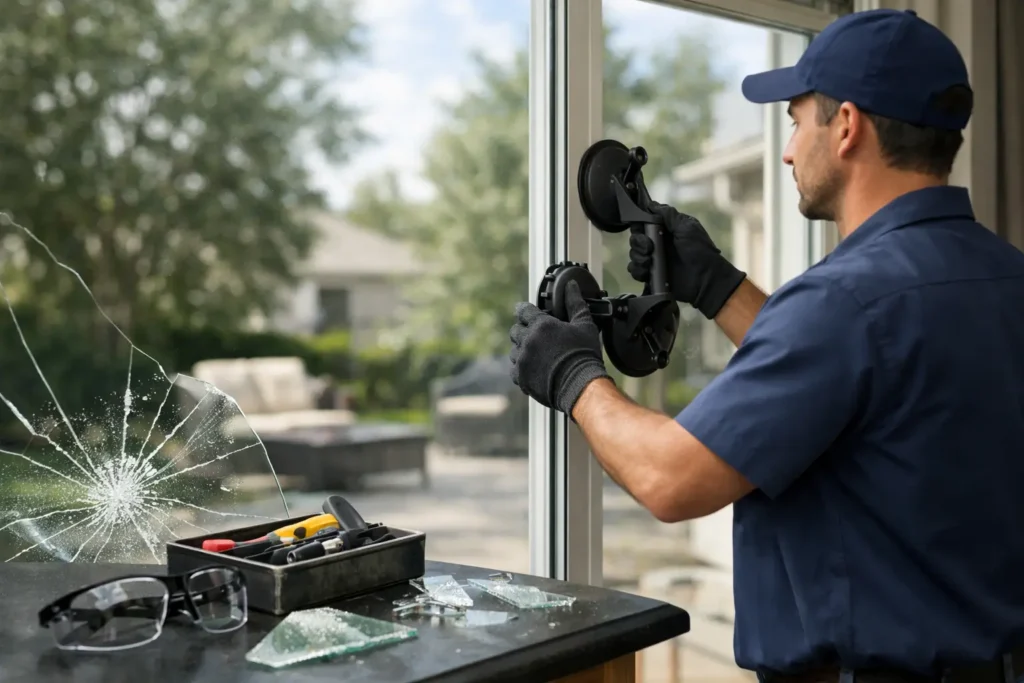
A cracked window has a way of changing the whole feel of a home fast. One small chip can turn into a draft, a security concern, or a bigger break the next time the weather shifts. This residential glass repair complete guide is built to help homeowners understand what needs immediate attention, what can wait briefly, and when repair makes more sense than full replacement.
Residential glass problems are rarely just cosmetic. A damaged pane can affect insulation, safety, noise control, and even how smoothly doors and windows operate. If the glass is part of a patio door, shower enclosure, or large living room window, the stakes are even higher because daily use and visibility matter.
What residential glass repair usually includes
When people hear “glass repair,” they often think only of a cracked window pane. In reality, residential glass repair can cover several issues across the home. That includes chipped glass, cracked insulated units, foggy double-pane windows, broken patio door glass, damaged sliding door panels, and shower door glass problems.
In some cases, the frame is still in good shape and only the glass needs attention. In others, the surrounding hardware, seals, rollers, or tracks are also part of the problem. That distinction matters because a clean glass-only repair is usually faster and more affordable than a full unit replacement.
A professional assessment helps separate the true issue from the visible one. A sticking patio door, for example, may look like a glass problem when the real cause is worn rollers or frame movement. A cloudy window may seem cracked from a distance, but the actual issue could be seal failure inside the insulated glass unit.
Repair or replacement – what makes more sense?
This is usually the first question homeowners ask, and the honest answer is that it depends on the type of damage, the age of the glass, and the condition of the frame.
Minor chips and limited surface damage may be repairable in some situations, especially if the glass is not part of a sealed insulated unit and the damage has not spread. But once a crack starts running across the pane, replacement is usually the safer and more practical choice. Cracks weaken the glass and tend to grow with temperature changes, vibration, and normal use.
Double-pane and insulated glass units often need replacement rather than spot repair. If moisture gets between the panes, the seal has failed. At that point, repairing the surface will not solve the insulation problem. Replacing the glass unit restores clarity and energy performance.
Tempered glass is another case where replacement is usually required. Once tempered glass is broken or significantly damaged, it cannot be patched back to a safe, reliable condition. The same goes for many shower doors and sliding glass doors, where code requirements and safety standards matter.
Common places glass fails in a home
Windows
Bedroom, kitchen, and living room windows are frequent repair calls because they take daily exposure to weather, movement, and accidental impact. Damage may show up as visible cracks, drafts around the pane, or fogging inside double-pane glass.
Older windows are especially prone to seal failure and loose glazing. If the frame is still solid, replacing the glass may extend the life of the window without the cost of replacing the whole assembly.
Sliding patio doors
Patio door glass takes more abuse than many homeowners realize. Repeated opening and closing, track issues, and accidental impact all increase the chance of breakage or stress cracks. If the door is hard to slide, do not assume the glass is the only problem. Worn rollers and alignment issues often go hand in hand with glass damage.
Shower doors and bathroom glass
Bathroom glass has different demands because moisture, cleaning products, and hardware wear all play a role. A loose shower door, chipped edge, or damaged panel should be checked quickly. With shower glass, safety is the priority, not just appearance.
Signs you should not wait to call for service
Some glass issues can be scheduled during normal service hours. Others need fast attention. If the glass is shattered, actively spreading cracks are visible, or the opening affects home security, it should be treated as urgent. The same goes for damaged door glass that affects entry, exit, or everyday use.
Drafts, water intrusion, and sharp exposed edges are also signs to move quickly. Even if the break looks manageable, damaged glass can become more dangerous with very little warning. A small crack after an impact can turn into a full break overnight.
For homes with children, pets, or rental tenants, waiting adds more risk. Temporary measures may help reduce immediate exposure, but they are not a substitute for proper repair or replacement.
What affects residential glass repair cost
Homeowners usually want a straight answer on price, but costs vary based on a few practical factors. The size of the glass matters, as does the type. Single-pane glass is usually simpler than insulated, tempered, laminated, or specialty glass.
The location of the glass also affects labor. A ground-floor window is different from a large second-story panel or a heavy patio door insert. Urgent after-hours service can also change the total cost, although many customers find that worthwhile when safety or security is involved.
Another factor is whether the frame and hardware are reusable. If the frame is bent, rotted, or no longer holds the glass securely, the job becomes more involved. The lowest quote is not always the best value if it ignores surrounding issues that will cause repeat problems later.
Why accurate measurement matters
Glass repair is one of those services where being slightly off is not acceptable. A poor fit can create leaks, stress on the glass, poor insulation, and premature failure. This is especially true for sealed units, sliding door panels, and shower enclosures.
Professional measurement also helps ensure the right glass thickness, safety rating, and finish are used for the application. A bathroom panel, a bedroom window, and a patio door do not all require the same product. Using the wrong glass can create performance problems and code issues.
Choosing the right type of glass for the repair
Standard glass vs. insulated glass
If the damaged pane is part of an exterior window, insulated glass is often the right choice because it helps with temperature control and energy efficiency. For interior applications, standard glass may be enough depending on the use.
Tempered or safety glass
Certain areas of the home require safety glass because of impact risk and building standards. Doors, shower enclosures, and low-level glass panels commonly fall into this category. If safety glass was there before, it generally needs to be replaced with the proper equivalent, not a cheaper substitute.
Upgraded glass options
Sometimes a repair is also a chance to improve comfort. Homeowners may choose better energy performance, clearer visibility, improved noise reduction, or upgraded safety features. The right upgrade depends on budget and priorities. Not every repair needs a premium option, but in some cases the long-term value is worth it.
What to expect from a professional service visit
A reliable glass company should start with a clear assessment, not a guess. That means identifying whether the issue is limited to the pane or tied to the frame, seals, hardware, or door movement. From there, you should get straightforward recommendations, realistic timing, and pricing that matches the actual scope of work.
For standard repairs, the process may involve inspection, measurement, glass ordering if needed, removal of damaged material, installation, and cleanup. Emergency situations may begin with securing the opening first, then returning for final replacement once the correct glass is ready.
The best service experience is usually the least complicated one. Good communication, quality materials, and technicians who do the work right the first time make a bigger difference than flashy promises. That is why many homeowners look for local companies with a reputation for fast response and dependable workmanship, like VL Group Glass Services.
The value of acting early
One of the most expensive mistakes homeowners make is waiting too long. Glass damage tends to spread, and what starts as a smaller repair can turn into a full replacement or even frame damage. The same delay can lead to higher energy bills, water issues, or reduced security.
Early service also gives you more options. When the problem is caught before the damage gets worse, there is a better chance of preserving surrounding materials and avoiding a larger project. That matters whether you are maintaining your own home or managing a rental property.
If the glass in your home is cracked, fogged, chipped, or no longer doing its job, the smartest next step is a professional assessment. The right repair protects your home, restores function, and saves you from dealing with the same problem twice.