
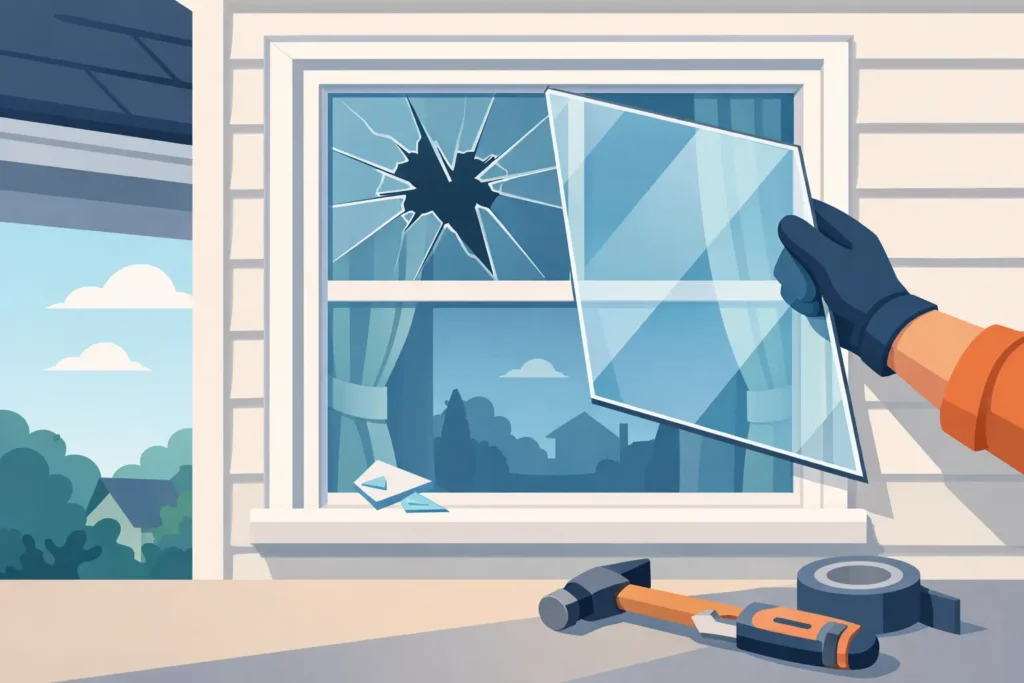
A shattered pane changes the feel of a home instantly. One minute it is a normal day, and the next you are dealing with broken glass on the floor, outside air coming in, and a real concern about safety. Broken house window repair is not just about appearance. It is about securing the opening, preventing more damage, and getting the glass fixed correctly before the problem spreads.
Broken house window repair starts with safety
If a house window breaks, the first priority is keeping people and pets away from the area. Glass can scatter farther than most homeowners expect, and small fragments often end up in rugs, window tracks, and nearby furniture. Thick gloves, closed-toe shoes, and careful cleanup matter right away.
If the pane is still partly in the frame, avoid pushing on it or trying to force out the remaining pieces without the right tools. A cracked or hanging section can shift suddenly. In many cases, the safest first step is to isolate the area and arrange a professional assessment, especially if the window is large, elevated, or part of a door.
For urgent situations, a temporary board-up or protective covering can help secure the opening until full repair or replacement is completed. This is especially important if weather is coming in, the home will be unattended, or the broken window creates an easy access point from outside.
What causes house windows to break?
Not every broken window happens the same way, and the cause often affects the right repair approach. A direct impact from a ball, storm debris, or an attempted break-in is the obvious one. But plenty of windows fail for less dramatic reasons.
Older glass can weaken over time. Frames may shift as the house settles. Seals can fail, moisture can build up, and stress cracks can appear without a single clear impact point. In double-pane units, one small crack in the glass can quickly turn into a larger issue that affects insulation and energy efficiency.
That matters because the solution is not always as simple as swapping in a new piece of glass. Sometimes the glass alone can be replaced. In other cases, the sash, frame, hardware, or the full insulated unit needs attention too. A quick inspection from an experienced glass technician usually saves time and prevents paying for the wrong fix.
Repair or replace? It depends on the damage
Homeowners often ask whether a broken window can be repaired or if it needs full replacement. The honest answer is that it depends on the type of glass, the extent of the damage, and the condition of the surrounding frame.
A small chip or minor crack in certain situations may allow for a limited repair, but most truly broken residential windows need glass replacement. If the pane is shattered, if pieces are missing, or if the window is double-pane and the sealed unit has failed, replacement is usually the better option. It restores safety and performance instead of leaving a weakened pane in place.
The frame matters just as much. If the frame is solid and square, replacing the glass may be straightforward. If the frame is rotted, warped, or damaged from impact, full window replacement may be the smarter long-term choice. Paying less upfront for a partial fix can backfire if the frame causes repeat problems a few months later.
For property managers and homeowners watching costs, this is where clear guidance matters. A dependable glass company should explain the trade-off plainly – what can be repaired, what should be replaced, and what choice gives you the best value over time.
Why fast service matters more than most people think
A broken house window is easy to push down the list if you can cover it for the night, but delay often makes the situation worse. Even a temporary opening can let in moisture, create drafts, raise heating or cooling costs, and expose the interior to dirt and pests. If the break happened because of a frame issue or hidden structural stress, the damage can continue while the window sits unsecured.
There is also the security side. A first-floor broken window or damaged patio door glass can make a home more vulnerable than homeowners realize. The longer it stays unresolved, the more disruptive it becomes.
That is why responsive service matters. A fast board-up, accurate measurement, and prompt replacement help restore normal use of the space without turning one broken pane into a bigger home repair project.
What a professional broken house window repair service should include
Good service is not just showing up with glass. It starts with assessing the full condition of the window opening, identifying whether the issue is isolated or part of a larger failure, and making the area safe right away.
From there, the process should be straightforward. The damaged glass is removed carefully, the frame and surrounding components are checked, and the right replacement material is installed based on the original window type and the needs of the home. That may include insulated glass, tempered glass, laminated glass, or upgraded options for better efficiency or safety.
For the customer, the experience should feel clear and predictable. You should know what is being replaced, what the timeline looks like, and how pricing is being handled. No vague language. No pressure. Just honest recommendations and quality workmanship.
That is exactly what people want from a local service company like VL Group Glass Services – fast response, expert technicians, competitive pricing, and repairs done right the first time.
Can you fix it yourself?
There are temporary steps a homeowner can take, but full glass repair is usually not a DIY job. Cleaning up loose shards and covering the opening with heavy plastic or plywood can help in the short term if done carefully. Beyond that, the risks go up quickly.
Glass edges are sharp, window units can be heavier than expected, and measuring for replacement has to be exact. A small mistake can mean ordering the wrong glass, creating a poor seal, or ending up with a window that does not operate properly. If the broken pane is tempered, insulated, high, oversized, or near a door, professional service is the safer option.
DIY work also tends to miss hidden problems. What looks like a simple crack may involve failed seals, damaged glazing, bent hardware, or frame movement. That is where experienced assessment pays off.
Choosing the right glass for replacement
Not every replacement pane should match the old one exactly. Sometimes the break is a good time to upgrade. Homeowners replacing older windows may benefit from insulated glass that improves indoor comfort and reduces energy loss. In certain locations, tempered or laminated glass adds safety and strength.
The right choice depends on where the window is located and how the room is used. A bedroom window, a bathroom window, and a large picture window each have different demands. Budget matters too. Some customers want the fastest like-for-like replacement, while others prefer to invest a little more now for better efficiency and durability.
A good contractor will walk through those options without overcomplicating the decision. The goal is practical value, not a sales pitch.
What affects the cost?
Price depends on more than the size of the broken pane. The type of glass, whether it is single-pane or insulated, the condition of the frame, ease of access, and urgency of service all play a role. Emergency after-hours work may cost more than a scheduled daytime call, but that added cost can be worth it when safety or security is at stake.
Custom sizes and specialty glass can also affect turnaround time and pricing. That said, cheaper is not always better. Poor-quality glass, rushed fitting, or incomplete sealing can lead to repeat problems and higher costs later.
Fair pricing means getting the right repair with solid materials and workmanship, not just the lowest number on paper.
How to avoid future window damage
Not every broken window can be prevented, but a few practical steps can reduce the risk. Keeping frames in good condition, addressing hard-to-open windows early, and replacing failed insulated units before cracks spread can help. Trimming branches near windows also lowers the chance of storm damage.
If a window has already shown signs of stress, such as repeated sticking, drafts, visible seal failure, or small cracks, it is worth having it checked before it turns into a full break. Acting early is almost always easier than dealing with an emergency later.
When a window breaks, people want one thing above all else – a quick, reliable fix that restores safety and peace of mind. The right repair team makes that happen with clear communication, quality materials, and service that treats your home like it matters.